
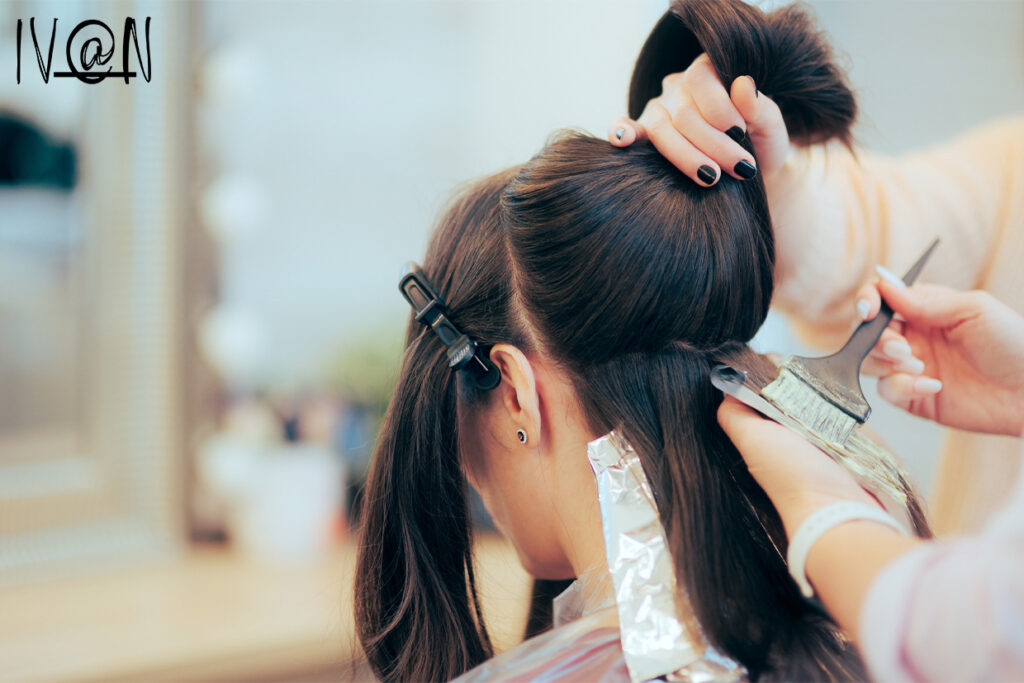
Have you ever dreamed of rocking a fiery red mane, silky smooth locks, or luscious curls that seem to defy gravity? Chemical hair treatments make these hair transformations possible, giving your hair a whole new look and feel. But let’s face it—these treatments aren’t without their challenges. Whether it’s dryness, frizz, or faded colour, chemically treated hair often needs a bit of extra love.
If you’ve ever asked yourself, “Why doesn’t my hair look as amazing as it did when I left the salon?”—you’re not alone. The secret lies in knowing how to care for your chemically treated hair so it looks as fresh and fabulous as day one. That’s exactly what we’ll be diving into in this guide!
In the upcoming sections, we’ll demystify chemical hair treatments, from the science behind them to how they impact your hair. We’ll cover:
-
Types of chemical treatments:
From vibrant colouring to keratin smoothness and everything in between.
-
How these treatments affect your hair structure:
The good, the bad, and the frizzy.
-
Caring for chemically treated hair:
Expert tips to maintain your look and avoid damage.
-
Common problems and solutions:
Practical advice to keep your hair healthy and happy.
Whether you’re considering your first chemical treatment or you’re a seasoned pro looking to level up your hair care game, this guide has got you covered! Let’s get right into it!
Types of Chemical Hair Treatments
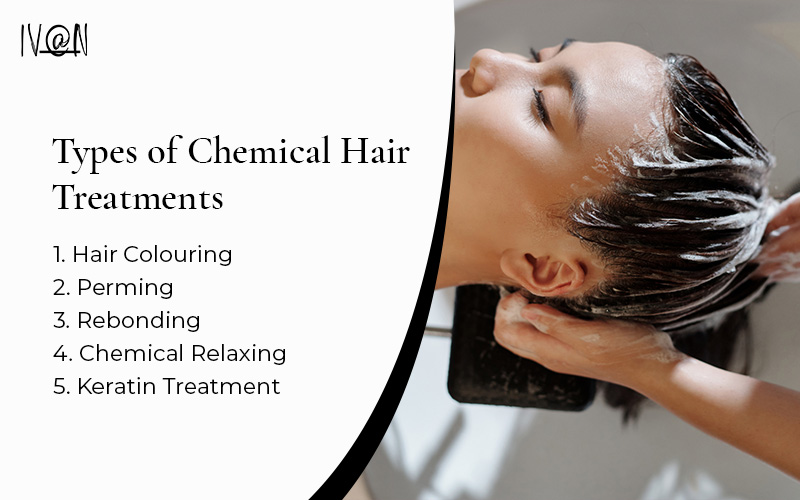
Before diving into how chemical hair treatments affect your luscious locks and how to care for them, let’s first explore what falls under the umbrella of chemical hair treatments. Think of them as a science-meets-beauty transformation that gives your hair a complete makeover. The most common treatments include:
1. Hair Colouring
Who doesn’t love adding a pop of personality to their look? Hair colouring is one of the most popular chemical treatments, offering endless possibilities. Whether you want bold rainbow hues or subtle balayage highlights, colouring involves changing your hair’s natural pigment using ammonia, peroxide, or similar agents.
-
Permanent Colours:
Ideal for full transformations or covering greys, these penetrate deep into the hair shaft.
-
Semi-Permanent Colours:
Great for experimenting, these wash out over time and are gentler on the hair.
-
Highlights/Balayage:
Perfect for adding depth and dimension without fully committing to a new colour.
2. Perming
Love bouncy curls or beachy waves? Perms use a combination of chemicals to break and reshape your hair bonds, creating those enviable curls or waves that last for months.
-
Acid Perms:
A gentler option, better for fine or damaged hair.
-
Alkaline Perms:
More robust, suitable for thicker, stubborn hair types.
Perming isn’t just about curls—it’s about versatility and volume!
3. Rebonding
Want ultra-straight, sleek hair? Hair rebonding restructures your hair’s bonds to achieve a pin-straight look that lasts for months.
-
How It Works:
Chemicals are applied to break your hair’s natural bonds, followed by flat ironing to straighten the strands. A neutraliser is then used to lock the new shape in place. This chemical hair treatment is perfect for taming unruly, frizzy hair but requires diligent aftercare to maintain its silky texture.
4. Chemical Relaxing
For those who prefer a more natural straight look over the ultra-straight finish of rebonding, chemical relaxing is the way to go. This treatment softens curls and waves by altering the hair’s structure.
-
Lye Relaxers:
Work faster but can be harsh if not handled correctly.
-
No-Lye Relaxers:
Gentler and better for sensitive scalps.
Relaxing is ideal for managing thick or coarse hair while maintaining a touch of texture.
5. Keratin Treatments
Say goodbye to frizz with keratin hair treatments! They don’t change your hair’s texture but coat it with protein to smooth and strengthen strands. This treatment is perfect if you want polished, shiny hair without the commitment of straightening.
-
Bonus:
It works wonders for all hair types and can last up to three months with proper care.
From bold transformations to subtle enhancements, chemical hair treatments offer something for everyone. Each has its unique process, benefits, and challenges—but that’s what makes them exciting! Ready to dive deeper? Let’s move on!
How Chemical Treatments Affect Hair Structure
Now that we’ve explored the types of chemical hair treatments, it’s time to understand what happens under the hood—or in this case, under the strands! These treatments work wonders for achieving your desired look, but they also change the very structure of your hair. Let’s unravel the chemistry behind those fabulous transformations:
1. Breakdown of Disulfide Bonds
At the heart of every chemical hair treatment lies the breaking and reforming of disulfide bonds—the tiny structures responsible for your hair’s natural shape and strength.
-
What Happens:
In processes like perming or rebonding, chemicals break these bonds, allowing your hair to be reshaped, curled, or straightened.
-
The Aftermath:
While this reshaping is the key to the magic, it can leave the hair more fragile and prone to damage if not cared for properly.
2. Change in Porosity
Ever notice how your hair feels different after a chemical treatment? That’s because its porosity—how well it absorbs and retains moisture—changes.
-
What Happens:
Treatments like colouring or relaxing open up the cuticle layer of the hair to allow chemicals to penetrate the core.
-
The Result:
While this is necessary for the treatment to work, it can also mean your hair absorbs moisture quickly but loses it just as fast, leaving it prone to dryness and dullness.
3. Loss of Natural Proteins
Your hair is naturally made up of keratin—a strong protein that gives it its resilience. Unfortunately, chemical hair treatments can strip away some of these proteins.
-
What Happens:
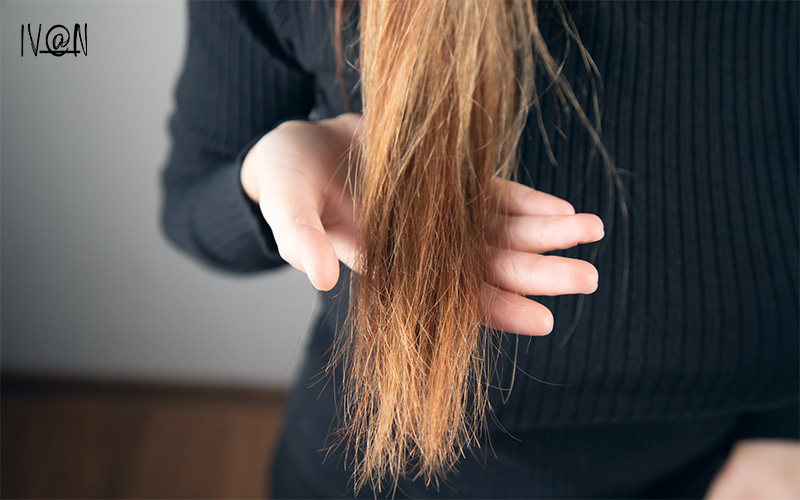
Frequent or intensive chemical processes weaken the hair shaft, causing split ends, brittleness, and frizz.
-
The Good News:
Protein-rich hair masks and treatments can help replenish what’s lost and bring back some strength and shine.
4. Impact on Elasticity
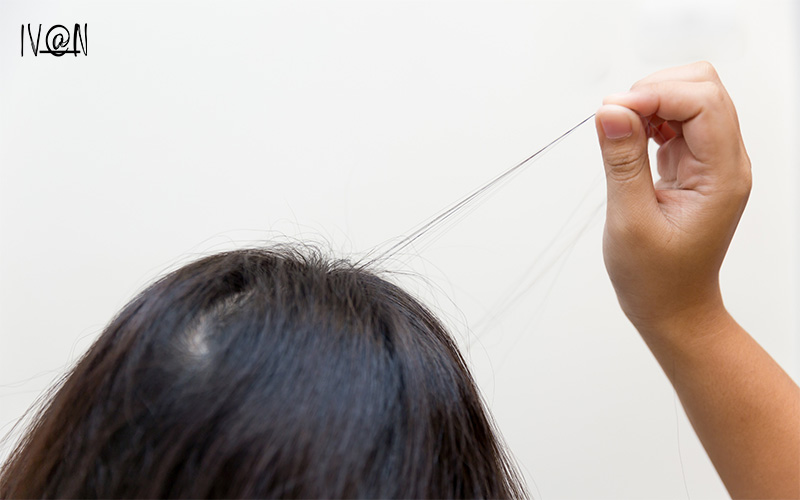
Elasticity is what makes your hair bounce back after being stretched or styled, but chemical hair treatment can zap it away.
-
What Happens:
When the bonds in your hair are repeatedly broken and reformed, the hair loses its ability to stretch without breaking.
-
The Result:
Over-processed hair becomes less flexible and more susceptible to snapping during combing, brushing, or styling.
So, what’s the takeaway? While chemical hair treatments are undeniably fabulous for achieving your hair dreams, they come with responsibilities. The key is balance: understand what’s happening to your hair, and make maintenance a non-negotiable part of your routine.
By knowing how these treatments work and their potential impact, you’re already one step ahead in keeping your hair healthy, strong, and selfie-ready! Shall we move on to how to care for chemically treated hair?
Common Chemical-Treated Hair Problems and Solutions
When it comes to chemical hair treatments, there are a few common problems that can pop up. Don’t worry, though – with the right care and solutions, you can keep your hair in top condition and maintain that gorgeous look. Let’s break down some of the most common chemical hair damage issues you might face and how to tackle them head-on.
-
Dryness:
One of the first signs that your hair has been affected by a chemical hair treatment is dryness. After all, your hair’s natural moisture has likely been stripped away during the process. If you’re noticing a parched, brittle texture, it’s time to hydrate. Invest in a good leave-in conditioner or hair oil to lock in moisture and prevent further dryness. Hydrating masks that are rich in oils, like argan or coconut, are excellent for restoring softness and providing deep nourishment. Aim for weekly treatments to keep your hair feeling lush and moisturised.
-
Breakage:
After your hair has been chemically treated, it can become more vulnerable to breakage. The harsh process weakens your strands, making them prone to snapping, especially when you brush or style your hair aggressively. To combat this, switch to a gentle brushing routine, using a wide-tooth comb or a brush with soft bristles. Avoid tight hairstyles that pull on your hair too much, as this can cause stress and lead to breakage. Regular trims to snip off split ends will also keep your hair stronger and healthier.
-
Frizz:
If your hair is feeling extra frizzy after a chemical hair treatment, you’re not alone. This is especially common in porous hair, which tends to absorb moisture but also loses it just as quickly. To keep your hair smooth, apply a serum or anti-frizz spray to lock in moisture and prevent the dreaded frizz from taking over. Another trick is sleeping on a silk pillowcase – it reduces friction and helps maintain your hair’s sleek look while you sleep.
-
Colour Fading:
Lastly, let’s talk about colour. Vibrant hues can start to fade quicker than you’d like, especially if your hair is regularly exposed to the sun or harsh heat. To preserve your colour, opt for shampoos and conditioners specifically designed for colour-treated hair. These products are formulated to protect your shade and keep it looking fresh for longer. Additionally, try to limit the amount of heat styling you do and shield your hair from the sun when possible, as both can accelerate fading.
By addressing these common issues with the right products and techniques, you can keep your chemically treated hair looking its best for weeks to come!
Maintaining Healthy Hair Post-Treatment
So, you’ve just stepped out of the hair salon with a fresh new look–sleek straight strands, bouncy curls, or that stunning colour. Congratulations! But now comes the most important part: giving your hair the care it needs post-treatment. Your hair has undergone a transformation, and keeping it looking its best means taking the extra steps to maintain its health and shine.
Here’s how!
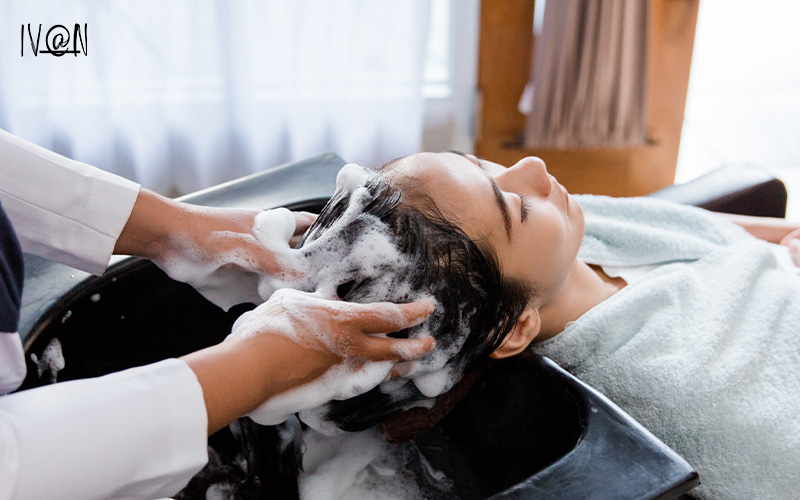
1. Deep Conditioning
Chemical hair treatments can strip your hair of its natural moisture, leaving it thirsty and craving nourishment. That’s where deep conditioning swoops in to save the day.
-
What to Do:
Use a deep conditioning treatment once or twice a week to restore hydration and repair the hair shaft.
-
What to Look For:
Opt for products with keratin, which strengthens the hair, or natural oils like argan and coconut oil, which lock in moisture and add shine.
-
Pro Tip:
For an ultra-luxurious experience, apply a deep conditioner, wrap your hair in a warm towel, and let it soak in for 15-20 minutes. Your hair will thank you!
2. Gentle Washing
Overwashing chemically treated hair can strip it of the natural oils it desperately needs to stay soft and healthy.
-
The Right Way to Wash:
Aim to wash your hair 2-3 times a week, and use lukewarm water instead of hot to prevent further drying out your strands.
-
Product Choice:
Invest in a sulphate-free shampoo and conditioner designed for chemically treated hair. These are gentler on your strands and help retain the effects of your treatment.
-
Pro Tip:
After washing, gently blot your hair with a microfiber towel rather than rubbing it, which can cause breakage.
3. Heat Protection
Chemically treated hair is more vulnerable to damage from high temperatures, so heat protection is non-negotiable if you style your hair.
-
How to Protect:
Always apply a heat-protectant spray or serum before blow-drying, straightening, or curling.
-
Keep It Cool:
Where possible, use your styling tools in a lower heat setting to minimise stress on your hair.
-
Pro Tip:
Consider embracing air-drying and heatless styling methods for those off-days to give your hair a break from heat.
4. Bonus Tips for Long-Term Care
-
Regular Trims:
Trim your hair every 6-8 weeks to keep split ends at bay and maintain a polished look.
-
Silk Pillowcases:
Swap out your cotton pillowcase for silk to reduce friction while you sleep, helping your hair stay smoother and less prone to tangling.
-
Healthy Diet:
Nourish your hair from the inside out with a diet rich in proteins, vitamins, and omega-3 fatty acids.
Your hair is an investment, and maintaining its health post-treatment is the key to getting the most out of it. A little extra care goes a long way in ensuring that your hair remains the crowning glory it was meant to be.
Frequently Asked Questions
1. Can I dye my hair after a chemical hair treatment?
Yes, you can dye your hair after a chemical hair treatment, but it’s important to wait a few weeks for your hair to recover. After treatments like perming or straightening, your hair might be more sensitive to further chemicals. It’s always a good idea to consult with a professional stylist to ensure your hair is in good condition and ready for colour without causing additional damage.
2. How often should I get my hair touched up after colouring or chemical hair treatment?
The frequency of touch-ups depends on the type of treatment and your hair’s growth rate. For hair colour, most people need touch-ups every 6-8 weeks, especially if you have regrowth or are going for a dramatic colour change. For perms or straightening, touch-ups may be needed every 3-6 months, but this can vary based on how your hair holds the treatment and your desired look.
3. Can I use heat styling tools on chemically treated hair?
Yes, you can use heat styling tools, but it’s crucial to protect your hair first. Chemically treated hair can be more vulnerable to heat damage, so always apply a heat protectant spray or serum before using straighteners, curling irons, or blow dryers. Limit the use of heat tools to prevent further dryness or breakage, and consider using lower heat settings.
Maintain That Freshly Treated Glow with Ivan The Hair People
There you have it! No matter if you’ve gone for sleek, straight locks, bouncy curls, or a bold new colour, chemical hair treatment can be a game-changer. But like all great transformations, your hair needs a little extra love and attention post-treatment to keep it looking its best. With the right care—from regular hydration and gentle handling to protecting your colour—your hair can continue to shine long after your salon visit. Remember, consistency is key, and with the right routine, your hair will stay healthy, vibrant, and gorgeous.
If you’re thinking about trying out a chemical hair treatment or need professional care to maintain your look, Ivan The Hair People is here to help. Our expert stylists can provide personalised advice and top-notch treatments to keep your hair looking fabulous. Book an appointment today and let us take your hair care to the next level!